
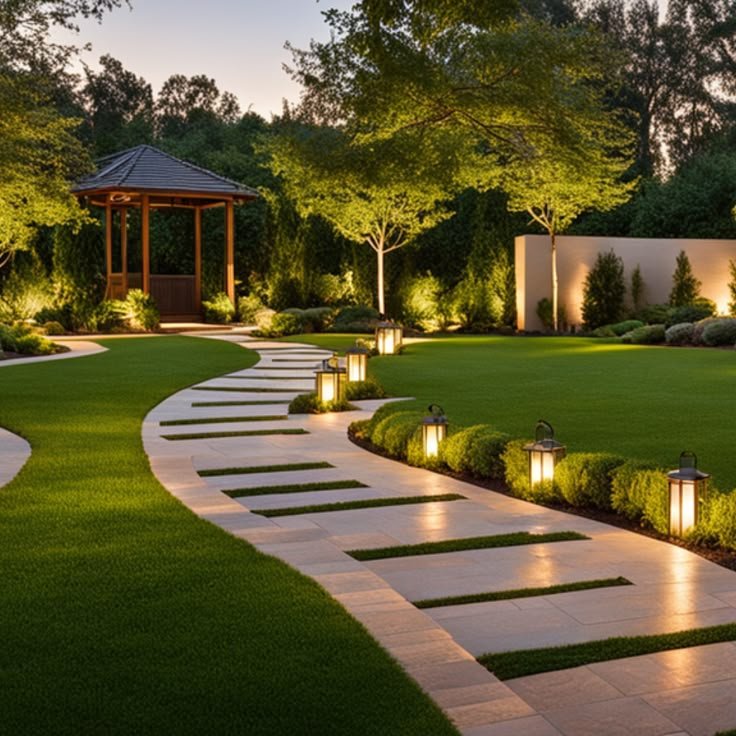
Landscape Lighting Installation
Your Landscape Doesn't Stop at Sunset.
Professional low-voltage lighting extends the life of your outdoor space into the evening — improving safety, highlighting plant structure, and adding value you can see every night.
12V
Safe Low Voltage
LED
Only Fixtures
20yr
Fixture Lifespan
6-Step
Install Process
Signs Your Property Is Working Against You After Dark
Safety Gaps
Unlit walkways, entry steps, and driveways create trip hazards for family and guests.
No Curb Appeal at Night
The landscape you invested in disappears completely after sunset — invisible from the street.
Existing Lights Failing
Corroded fixtures, cut wires, and dim output from a system that wasn’t built for Florida.
Outdoor Spaces Go Unused
Without lighting, patios and garden areas become unusable the moment the sun goes down.
Fixture Types
Safe, Efficient, and Built to Last Decades.
Low-voltage landscape lighting runs at 12 volts — a fraction of standard household current. A transformer steps down your home’s power, distributes it through weatherproof cable, and delivers it to LED fixtures positioned throughout your landscape.
The result: a system safe enough to run through planting beds and mulch, efficient enough to cost less than a few indoor bulbs per night, and flexible enough to grow with your landscape.
- Transformer — converts 120V to 12V; controls on/off scheduling
- Distribution cable — runs through beds, protected under mulch
- Weatherproof connectors — seal all electrical connections from moisture
- LED fixtures — 3–7 watts each; 30,000–50,000 hr rated lifespan
- Photocell or timer — automatic operation at dusk and dawn
System Diagram Placeholder
Home Outlet
120V → 12V + Timer
Runs through beds
Complete System Architecture
Fixture Types
The Right Light for Every Part of Your Landscape
A professional system layers multiple fixture types to create depth and balance. Each serves a specific purpose — none of them is optional filler.
- Entry paths to front door
- Driveway to walkway transitions
- Garden paths through beds
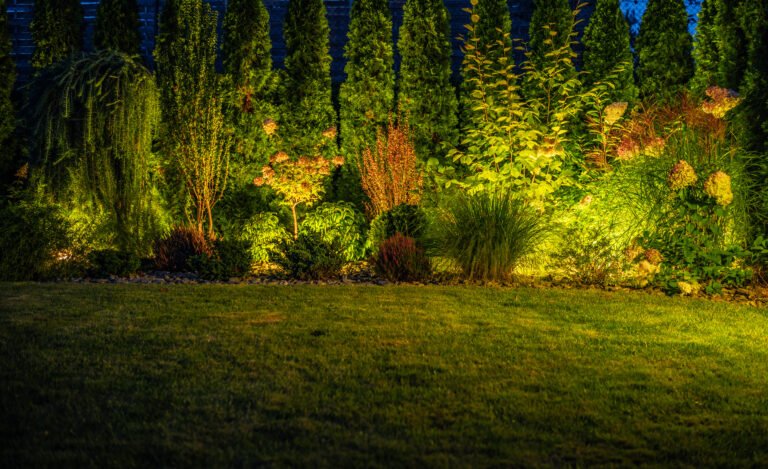
- Palm trunks and canopies
- Specimen trees and shrubs
- Achitectural features
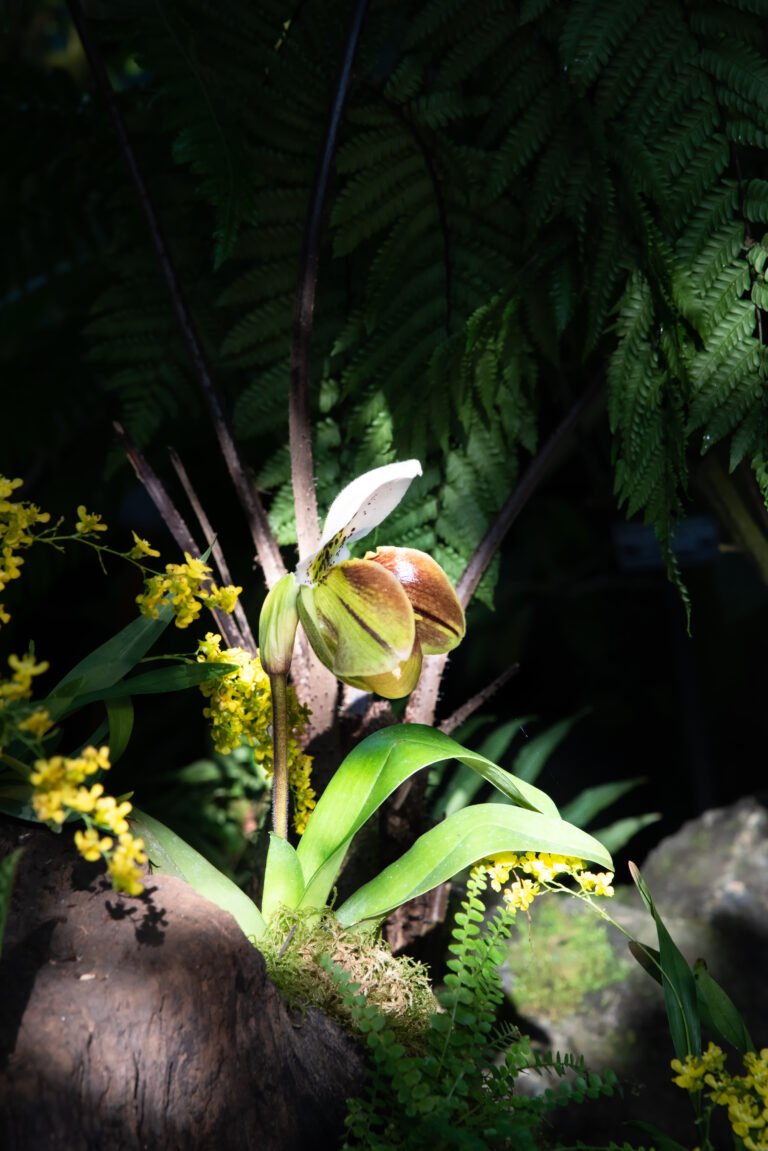
- Ornamental shrubs
- Entry garden beds
- Focal planting clusters
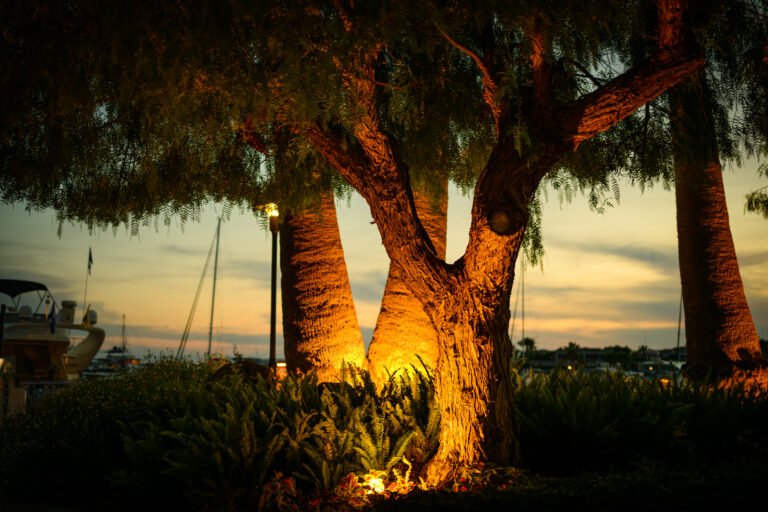
- Tall palms and trees
- Entry columns
- Large specimen plantings
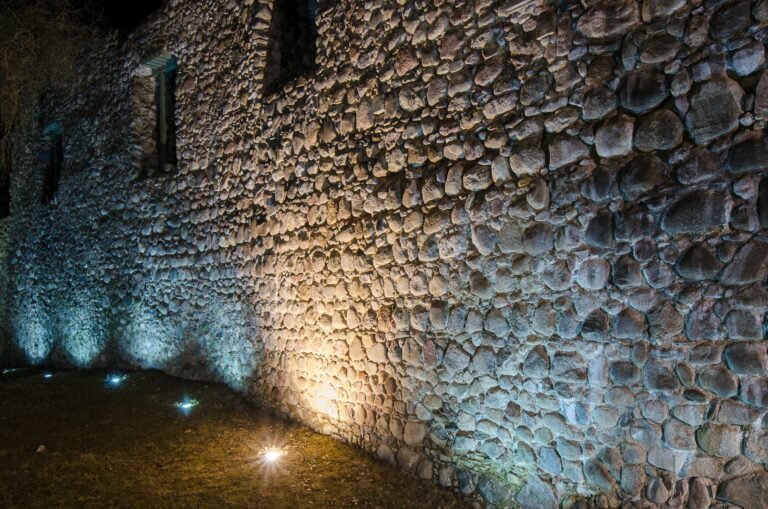
- Wide planting beds
- Architectural walls
- Large landscape zones
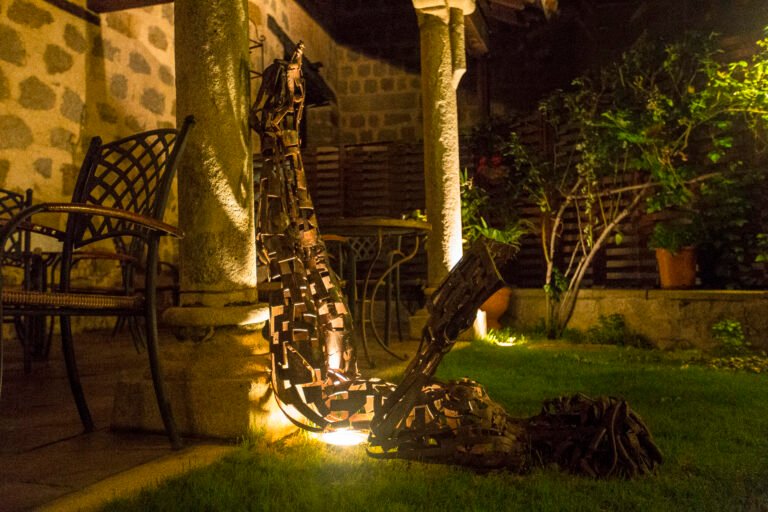
- Seating area ambiance
- Larger garden spaces
- Natural soft illumination
Our Design Approach
What Separates a Thoughtful Install from a Bright Yard
Placing fixtures isn’t the hard part. Getting the light balanced, the shadows controlled, and the glare eliminated — that’s where professional installation earns its cost.
02
Focal Point Discipline
Lighting draws the eye to what matters most — palms, entry plantings, specimen shrubs. Not every plant gets a light.
01
Layered Lighting
Path lighting, uplighting, and accent fixtures are combined intentionally. This creates depth rather than a flat wash of brightness across the property.
04
Glare Elimination
Fixtures are aimed to avoid pedestrian sightlines, nearby windows, and street traffic. Light should illuminate — not blind.
03
Shadow Control
Proper beam angles and fixture spacing prevent harsh shadows or dark voids. The goal is balanced illumination, not dramatic contrast.
What Separates a Thoughtful Install from a Bright Yard
Placing fixtures isn’t the hard part. Getting the light balanced, the shadows controlled, and the glare eliminated — that’s where professional installation earns its cost.
How It’s Done
The Kompanion Lighting Installation Process
A reliable lighting system starts with electrical planning — not fixture placement. Here’s how every Kompanion installation is structured.
01
Site Evaluation
Property layout, landscape structure, and key areas where lighting improves visibility or highlights features are assessed before any work begins.
02
Transformer Sizing
Total system wattage is calculated and matched to the correct transformer. Undersized systems produce dim output; oversized systems waste investment.
03
Voltage Management
Cable runs are sized to prevent voltage drop across long distances. Consistent voltage means consistent brightness at every fixture.
04
Wire Routing
Wiring is carefully routed through planting beds to protect it from mowing, edging, and routine landscape maintenance — the most overlooked installation detail.
05
Fixture Placement
Fixtures are positioned to highlight landscape structure while eliminating glare. Placement is tested visually — not approximated from a plan.
06
System Testing
Voltage levels, fixture operation, and lighting distribution are confirmed across the full system. Timer or photocell programmed and verified before we leave.
Built for Florida’s Environment
Why Fixture Quality and Install Standards Matter Here
Florida’s climate punishes cheap fixtures and shortcuts. Humidity, rainfall, salt air, and sandy soil all affect how a lighting system performs over time.
High Humidity
Accelerates corrosion in low-quality metals over time. Brass and coated fixtures are specified for longevity, not aesthetics.
Heavy Rainfall
Every connection is sealed with weatherproof connectors. Water intrusion is the most common cause of premature system failure.
Salt Air
Coastal properties face accelerated corrosion from salt exposure. Fixture material selection accounts for proximity to water.
Sandy Soil
Easy to route wire through, but cable can surface over time from erosion or landscape work. Proper burial depth protects long-term reliability.
What to Expect
Investment Range for Residential Lighting
Landscape lighting systems vary by property size, fixture count, and installation complexity. Here’s a general framework — your local installer will provide a specific evaluation.
$1,500–$2,500
Starter System
Focused on entry path, key uplights, and primary focal points. Typically 6–10 fixtures on a single transformer zone.
$3,000–$5,000
Full Front Landscape
Complete front and entry coverage with layered fixture types. Most popular for established residential landscapes.
$5,000–$8,000+
Multi-Zone Property
Multiple zones, front and rear coverage, larger fixture counts. Properties with extensive planting or entertainment areas.
Common Questions
What Homeowners Ask Before Their Evaluation
Yes. Residential systems operate at 12 volts — a fraction of household current. When installed with weatherproof connections, a properly sized transformer, and GFCI protection, these systems operate safely for many years in outdoor environments.
Most residential systems range from $1,500 for a focused entry installation to $8,000 or more for multi-zone properties. The most important cost driver is proper system design — fixture quality, transformer sizing, and installation standards all affect long-term reliability.
Modern LED fixtures are rated for 10–20 years under normal use. LED lamps often exceed 30,000–50,000 hours. When a lamp eventually fails, it can be swapped without replacing the fixture. Protected wiring and durable fixture materials are the key reliability factors.
Yes — most systems are installed after the landscape is established. Low-voltage wiring routes through planting beds without major disruption to existing plants or hardscape. In many cases, installation is completed in a single visit.
No. Most LED landscape fixtures draw 3–7 watts each. A 12-fixture system uses roughly the same electricity as a few standard indoor bulbs — and only runs during nighttime hours via photocell or timer.
Most front landscapes use 6–12 fixtures. The goal isn't to light every part of the yard — it's to highlight the features that matter most and improve visibility where it counts. Placement matters more than quantity
Find a Kompanion Installer in Your Area
Landscape lighting is available through Kompanion’s network of certified local installers. Enter your zip code to find the location nearest you and schedule a property lighting evaluation.